
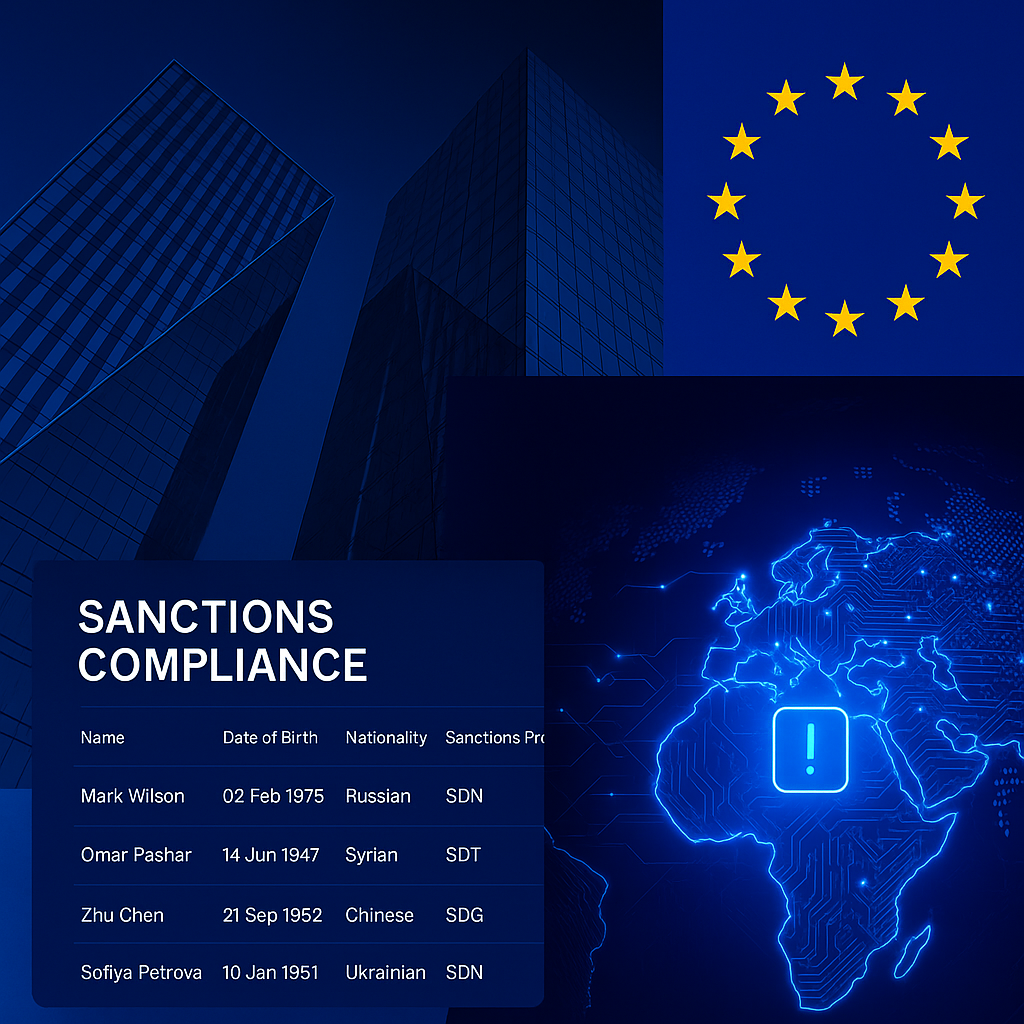
Understanding Sanctions Compliance & Risk Advisory: Best Practices for Businesses
In today’s interconnected global economy, businesses face a myriad of challenges, especially when it comes to navigating the complexities of international sanctions. Compliance with sanctions is not just a legal obligation; it is also crucial for managing risk and ensuring the longevity of a business. In this article, we will delve into the concepts of Sanctions Compliance & Risk Advisory, exploring best practices, common pitfalls, and strategies for effective implementation.
What Are Sanctions?
Sanctions are restrictions imposed by governments or international organizations on countries, entities, or individuals to achieve foreign policy or national security objectives. These can take various forms, including trade restrictions, asset freezes, and travel bans. Businesses must understand that sanctions can be comprehensive, targeting specific countries or sectors, or they may be more targeted, focusing on specific individuals or companies.
The Importance of Compliance
Compliance with sanctions is essential for several reasons:
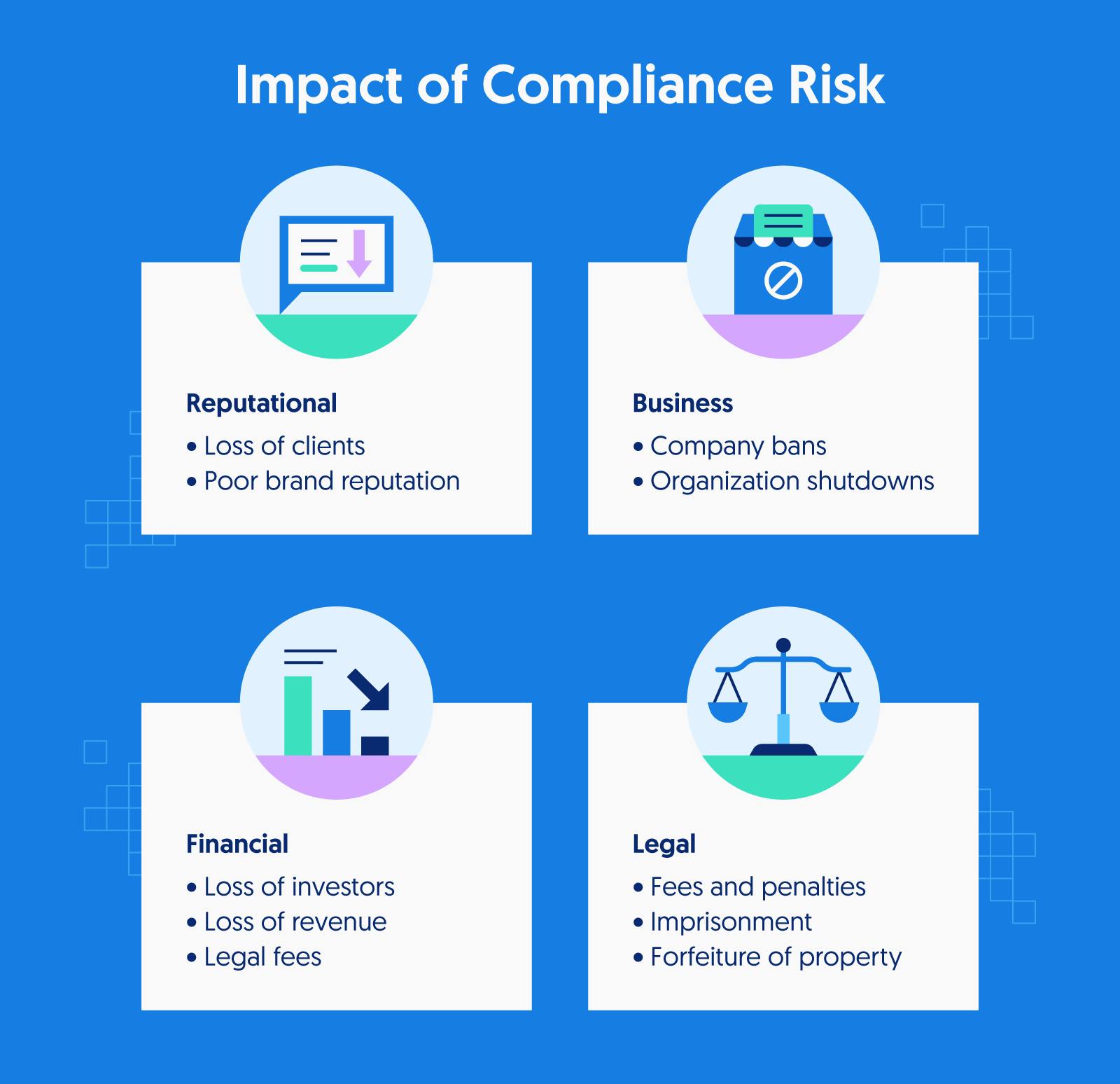
- Legal Implications: Failure to comply can result in significant legal penalties, including fines and sanctions against the company and its executives.
- Reputation Management: Companies found to be non-compliant can suffer reputational damage, impacting customer trust and brand value.
- Business Continuity: Non-compliance can disrupt business operations, leading to loss of contracts and market access.
Developing a Compliance Program
A robust sanctions compliance program is crucial for any business engaged in international trade or transactions. Here are some essential components of an effective program:
1. Risk Assessment
Begin by conducting a thorough risk assessment to identify potential sanctions risks specific to your business model, operations, and geographic presence. This should include an evaluation of all parties involved in your transactions, including suppliers, customers, and third-party vendors.
2. Policies and Procedures
Draft clear policies and procedures outlining your approach to sanctions compliance. This includes defining roles and responsibilities, as well as establishing protocols for screening transactions against relevant sanction lists.
3. Training and Awareness
Regular training sessions for employees at all levels are vital. Employees should understand the implications of sanctions and be equipped to recognize red flags in transactions.
4. Monitoring and Screening
Implement continuous monitoring and screening of transactions against updated sanctions lists. Technology can play a significant role here, with various software solutions available to assist in the process.
5. Reporting and Response
Establish clear procedures for reporting potential violations and responding to any incidents of non-compliance. This includes a plan for internal investigations and corrective actions.
Common Pitfalls in Sanctions Compliance
Despite best efforts, many companies still encounter challenges in sanctions compliance. Here are some common pitfalls to watch out for:
- Lack of Awareness: Many businesses fail to recognize the full extent of the sanctions applicable to them, particularly when operating in multiple jurisdictions.
- Inadequate Resources: Compliance programs often lack sufficient resources or support from senior management, making it difficult to implement and maintain effective processes.
- Assuming Best Practices Are Enough: Businesses often assume that following industry best practices mitigates risk. However, each organization must tailor its compliance strategies to its specific circumstances.
The Role of Risk Advisors
Engaging with risk advisors can provide significant advantages in navigating the complexities of sanctions compliance. These professionals offer expertise in:
- Regulatory Guidance: They can help businesses stay informed about changing regulations and sanctions lists.
- Custom Compliance Solutions: Advisors can tailor compliance programs specific to your business needs.
- Training and Workshops: They often provide training programs designed to equip employees with the necessary skills to manage sanctions compliance.
Looking Ahead: The Future of Sanctions Compliance
The landscape of sanctions compliance is continually evolving due to geopolitical developments and technological advancements. Businesses must remain agile and proactive, adapting their compliance strategies to remain effective. Key trends to watch include:
- Increased Enforcement: Governments are intensifying their enforcement of sanctions, leading to higher penalties for non-compliance.
- Technological Integration: AI and machine learning are increasingly being adopted to enhance compliance monitoring and risk assessment processes.
- Global Harmonization: As countries alike work towards more standardized compliance requirements, businesses may benefit from increased clarity and consistency.
Conclusion
Sanctions compliance and risk advisory are critical components of any business operating in a globalized economy. By understanding the implications of sanctions, developing robust compliance programs, and engaging with risk advisors, companies can navigate this complex landscape effectively. Proactive measures will not only safeguard against legal repercussions but also enhance your business’s reputation and long-term success. Ensuring good practices in sanctions compliance is a prudent investment in your business’s future.